The microwave oven. For most of us, it’s the unsung hero of the modern kitchen, the magical box that turns last night’s leftovers into a piping hot meal in minutes. But when you have kids, that convenience can be tinged with a little bit of anxiety. The moment your child is tall enough to reach the buttons, you start wondering about How To Use Microwave Oven Safely With Kids. It’s a valid concern, and empowering them with the right knowledge is the key to turning that worry into confidence. This isn’t just about preventing messes; it’s about instilling lifelong kitchen safety habits.
Let’s dive into everything you need to know to make your microwave a safe and useful tool for the whole family, transforming it from a potential hazard into your child’s first step toward culinary independence.
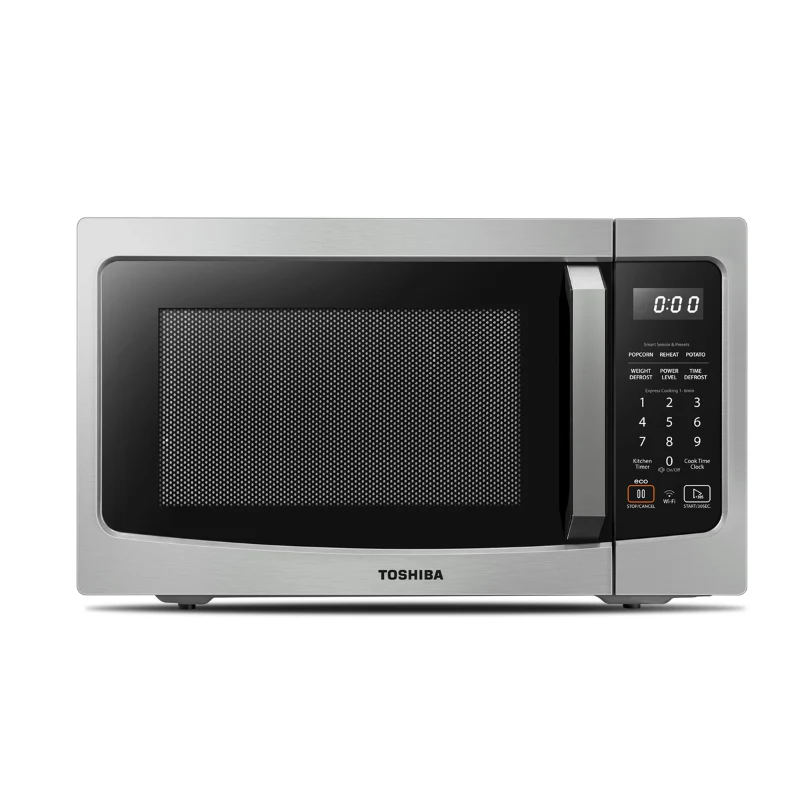
First, How Does a Microwave Actually Work?
Before we get into the rules, it helps to understand the magic. A microwave oven doesn’t use fire or a hot coil like a regular oven. Instead, it uses tiny, powerful radio waves—microwaves—to heat food. Inside the oven, a device called a magnetron generates these waves. They bounce around the metal interior and, most importantly, pass right through glass, paper, and most ceramics.
When these waves hit your food, they specifically look for water molecules and make them vibrate incredibly fast. Think of it like rubbing your hands together to create warmth, but on a microscopic level. This vibration is what creates heat and cooks your food from the inside out. Understanding this helps explain why some materials are safe and others are a big no-no.
Setting the Stage: Creating a Kid-Safe Microwave Zone
Your first job is to set up the environment for success. A little prep work can prevent a majority of potential accidents.
Accessibility is Everything
Think about where your microwave is located. If you have an over-the-range microwave, it’s likely too high for a young child to use safely. Reaching up to pull down a hot bowl of soup is a recipe for disaster. For families with little ones eager to help, a countertop model at a safe, accessible height is a much better choice. Ensure it’s on a stable surface, far from the edge of the counter.
The “Go-To” Shelf for Microwave-Safe Dishes
Kids thrive on clear rules. Designate a specific, low-to-the-ground cabinet or shelf for all the microwave-safe containers they are allowed to use. This eliminates guesswork. Stock it with lightweight, BPA-free plastic containers, sturdy ceramic mugs with large handles, and a few glass bowls. Teach them that if it’s not from “the microwave shelf,” they need to ask a grown-up first.
“The single most common microwave injury we see in children is a steam burn from removing a container with a lid. It’s crucial to teach them to always lift a cover or film away from their face, allowing the steam to escape safely.” – John Peterson, Appliance Safety Engineer with 15 years of experience.
The Golden Rules: How to Use Microwave Oven Safely with Kids
Once the stage is set, it’s time for the main event: teaching the rules. Frame it as earning their “Microwave License.” Make it fun, but be firm on the non-negotiables.
Rule #1: Always Ask a Grown-Up First
For younger children (typically under 10), this is the most important rule. Even if they know all the steps, having an adult supervise ensures nothing is overlooked. As they get older and more responsible, you can gradually grant more independence.
Rule #2: The No-Metal-Ever! Show
This is a fun one to demonstrate. Explain that metal, like forks, spoons, and aluminum foil, acts like a mirror for microwaves. Instead of letting the waves pass through, the metal reflects them, which can cause big, scary sparks. You can tell them it’s like a tiny lightning storm inside the box that can break the microwave.
Never put these in the microwave:
- Metal utensils (forks, spoons, knives)
- Aluminum foil
- Dishes with metallic paint or trim
- Twist ties from bread bags
- Take-out containers with metal handles
Rule #3: The Container Check
Teach your kids to become “Microwave Detectives.” Their mission is to find the special symbol on the bottom of a container. It usually looks like a few wavy lines, sometimes with a dish or a box around it. If it has the symbol, it’s safe! If not, it’s a job for a grown-up. Explain that using the wrong plastic can make it melt and put yucky chemicals in their food.
Rule #4: The Food and Cover Check
Not all foods behave the same way in the microwave.
- Cover It Up: Teach them to cover food with a paper towel or a microwave-safe lid. This prevents splatters (which means less cleaning for you!) and helps food heat more evenly. Make sure the lid is vented to let steam escape.
- No Sealed Containers: Explain that steam needs a way to get out. Heating a completely sealed container is like blowing up a balloon until it pops.
- The Forbidden Foods: Establish a clear list of things they are never allowed to microwave on their own. This list should include:
- Whole eggs (they can explode)
- Whole potatoes or hot dogs (unless a grown-up has poked holes in them first)
- Just a cup of plain water (more on this below)
Rule #5: The Careful Exit
This is arguably the most critical step. The biggest danger isn’t the microwave itself, but the hot food and container coming out of it.
- Wait a Minute: Teach them the “one-minute rule.” After the microwave beeps, wait a full minute before opening the door. This lets the food cool down just a bit.
- Use Oven Mitts: Always. No exceptions. Have a pair of kid-sized oven mitts or thick pot holders right next to the microwave.
- Two Hands, Slow and Steady: Instruct them to use both hands to carefully slide the dish out and place it on the counter.
- Beware of Steam: Remind them of what John Peterson said. Steam is invisible and hotter than boiling water. Always open lids or peel back plastic wrap away from their face.
Debunking Common Microwave Myths
Part of teaching safety is clearing up misinformation. Here are a few common myths you can address.
“Are Microwaves Dangerous to Stand Near?”
This is a common fear. The short answer is no. Microwave ovens are required by federal safety standards to have multiple interlocking systems that stop the production of microwaves the instant the door is opened. Modern microwaves are built to keep the energy inside the box. As long as your microwave door seals properly and isn’t damaged, the amount of energy that might escape is far below any level that could cause harm.
“Does Microwaving Food Make It Radioactive?”
Absolutely not. Microwaves make water molecules vibrate to create heat. They do not use the same kind of energy as X-rays or gamma rays, and they do not leave any kind of residual energy in your food. Once the microwave turns off, the microwaves are gone. The food is simply hot.
The Hidden Danger: Superheated Water
This is one real, though rare, danger to be aware of. Sometimes, if you heat a cup of perfectly still, clean water in a very smooth cup, it can reach boiling temperature without actually bubbling. It’s called “superheating.” The danger comes when you move the cup or add something to it (like a tea bag or spoon), which can cause it to erupt violently.
To prevent this, always put something in the water before heating, like a wooden chopstick or a teabag. This gives the bubbles a place to form and prevents the water from becoming superheated.
Frequently Asked Questions
Q: At what age can a child use a microwave oven by themselves?
A: There’s no magic number, as it depends on the child’s maturity and height. Generally, with close supervision, kids can start learning around age 7 or 8. Most children aren’t ready for unsupervised use until they are 10-12 and have proven they can consistently follow all safety rules.
Q: What should I do if my child accidentally puts metal in the microwave?
A: Immediately turn off and unplug the microwave. Do not open the door until you are sure the sparking has stopped. Open it carefully, remove the metal object with an oven mitt (it could be hot), and inspect the inside of the microwave for any burn marks or damage to the interior walls.
Q: Can I use a microwave if the door is cracked or doesn’t close properly?
A: No. Absolutely not. The door and its seal are the primary safety features that keep the microwaves contained. If the door is damaged in any way, stop using the appliance immediately and have it professionally repaired or replaced.
Q: Is it safe to use plastic wrap in the microwave?
A: It depends. Only use plastic wrap that is specifically labeled “microwave-safe.” Even then, it’s best to ensure the wrap doesn’t directly touch the food, especially fatty foods, as the high heat can cause it to melt or leach chemicals. A paper towel is often a safer choice for covering food.
Q: What’s the best way to clean up a spill inside the microwave?
A: For easy cleanup, place a microwave-safe bowl with a cup of water and a few lemon slices inside. Microwave on high for 3-4 minutes, until the water is steaming. Let it sit for another 5 minutes with the door closed. The steam will loosen all the grime, and you can easily wipe it clean with a sponge.
Your Partner in the Kitchen
Teaching your kids how to use Microwave Oven safely with kids is a wonderful way to foster independence and teach them valuable life skills. It’s about more than just reheating pizza rolls; it’s about respecting appliances, understanding basic science, and learning how to take care of themselves. By setting up a safe environment and establishing clear, simple rules, you can turn the microwave from a source of worry into a trusted kitchen partner for the whole family. Now, who wants a snack?