The microwave is the unsung hero of the modern American kitchen. It’s our go-to for zapping leftovers, popping popcorn for movie night, and getting that morning coffee back to the perfect temperature. But when you’re in the market for a new one, the options can be dizzying. The most fundamental choice you’ll face is the Solo Vs Convection Microwave Comparison, a decision that can completely change how you use this countertop appliance. Are you just a re-heater, or are you a secret kitchen wizard looking for a versatile sidekick?
Let’s cut through the noise. This isn’t just about features; it’s about your lifestyle, your cooking habits, and even the amount of counter space you’re willing to sacrifice. We’re going to break down everything you need to know, so you can walk away confident in your choice.
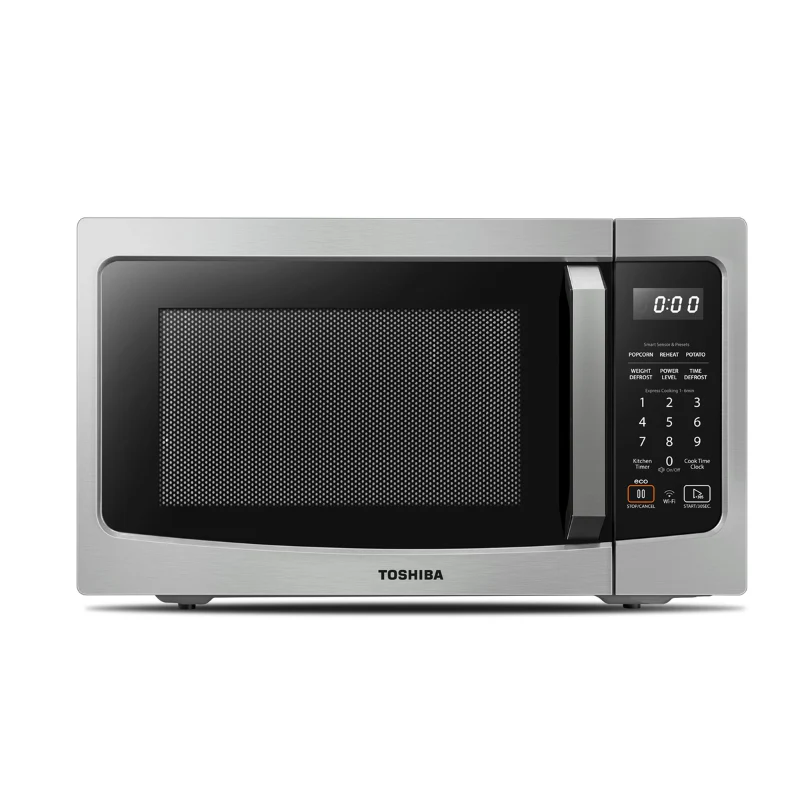
What’s a Solo Microwave, Anyway?
A solo microwave is the classic, no-frills model you probably grew up with. Its one and only job is to heat food using microwave radiation. It’s the specialist, the master of a single craft: getting things hot, fast.
How It Works
Inside every solo microwave is a component called a magnetron. This device generates microwaves, which are a type of electromagnetic wave. These waves bounce around the metal interior of the oven and cause the water molecules in your food to vibrate rapidly. This vibration creates friction, which in turn generates heat. It’s a brilliant piece of science that cooks food from the inside out. The turntable is crucial here, ensuring the microwaves hit the food from all angles for more even cooking.
Best For
- Reheating leftovers: This is its bread and butter. Day-old pizza, last night’s pasta, soup—it handles them all.
- Defrosting: Quickly and safely thawing frozen meat, bread, or pre-made meals.
- Making simple snacks: Think popcorn, heating up canned chili, or making mug cakes.
- Steaming vegetables: A quick and healthy way to cook veggies with a splash of water.
- Students, small apartments, and office break rooms: Perfect for anyone with limited space and basic heating needs.
The Downsides
The biggest limitation of a solo microwave is its inability to brown or crisp food. Since it only heats the water content, you’ll never get that golden-brown finish on a piece of chicken or a crispy crust on a pastry. I once tried to revive a soggy delivery pizza in a solo microwave—let’s just say it came out hotter, but even soggier. It’s a reheating machine, not a true cooker.
Enter the Convection Microwave: The Multitasker
A convection microwave is the souped-up, multi-talented cousin of the solo model. It combines standard microwave technology with an additional heating element and a fan, essentially turning your microwave into a small, high-powered oven.
How It Works (The Magic Combo)
A convection microwave has two primary modes. In microwave mode, it works just like a solo model, using a magnetron. But switch to convection mode, and things get interesting. A heating element (like the coils in a traditional oven or toaster oven) heats up, and a fan circulates that hot air throughout the oven cavity. This circulating hot air cooks the food from the outside in, allowing it to brown, roast, and bake.
The real game-changer is the combination mode, which uses both microwaves and convection heating simultaneously. This can slash cooking times dramatically compared to a conventional oven while still giving you that beautiful, oven-baked result.
Best For
- Baking: You can genuinely bake cookies, small cakes, and brownies.
- Roasting: Perfect for a small chicken, roasted potatoes, or a pork tenderloin.
- Grilling: Many models come with a grill function for browning the tops of casseroles or making grilled cheese.
- Crisping: Reheating pizza or french fries and having them come out crispy, not limp and steamy.
- Anyone with limited kitchen space: It can legitimately serve as a secondary oven, or even a primary one for a small household or an RV.
The Downsides
With great power comes a few trade-offs. Convection microwaves are typically larger and heavier than their solo counterparts, taking up more precious counter space. They also come with a higher price tag and can have a steeper learning curve as you figure out the different modes and preheat times.
A Head-to-Head Solo vs Convection Microwave Comparison
Sometimes, seeing things side-by-side makes all the difference. Here’s a simple table to break down the core differences.
| Feature | Solo Microwave | Convection Microwave |
|---|---|---|
| Cooking Method | Microwaves only (heats water molecules) | Microwaves + Heating Element + Fan (circulates hot air) |
| Best For | Reheating, defrosting, simple snacks | Baking, roasting, grilling, crisping, and all solo functions |
| Cooking Results | Heats food quickly; can result in soggy or uneven textures | Even cooking, browning, and crisping, similar to a traditional oven |
| Price | Generally more affordable ($50 – $200) | More expensive ($200 – $600+) |
| Size & Space | More compact and lightweight, fits in smaller spaces | Larger, heavier, and requires more ventilation space around it |
Key Features to Look For (Regardless of Type)
Whether you land on a solo or convection model, there are a few key specs you should always check.
- Wattage: Higher wattage (typically 900W-1200W) means faster cooking times. For a solo microwave, anything over 1000W is fantastic. For convection, this is even more important for robust oven performance.
- Inverter Technology: This is a huge upgrade. Traditional microwaves cycle their power on and off to achieve, say, 50% power. This can lead to uneven cooking. Inverter technology delivers a steady, continuous stream of power, which results in much more evenly cooked food, especially when defrosting.
- Size & Capacity: Measured in cubic feet, this determines how much you can fit inside. A 1.0 cu. ft. model is fine for a single person, while a family might want something closer to 2.0 cu. ft. to fit larger casserole dishes.
- Presets and Sensors: Sensor cooking is a brilliant feature that automatically adjusts cooking time and power based on the steam your food emits. It takes the guesswork out of reheating a dinner plate.
Common Myths and Safety Concerns Debunked
Let’s clear the air on a few things. Microwave Ovens, when used correctly, are perfectly safe.
“The idea that microwaves ‘nuke’ your food and destroy all its nutrients is one of the most persistent myths out there,” says John Peterson, an appliance engineer with over 15 years in the field. “In reality, because microwave cooking is so fast, it can often retain more vitamins and minerals than longer cooking methods like boiling.”
Modern microwaves are built with excellent shielding and safety mechanisms that stop the magnetron the instant the door is opened. As long as your microwave’s door seal is intact and not damaged, you have nothing to worry about regarding radiation. And yes, you can use microwave-safe metal racks (often included with convection models) in certain modes—just be sure to follow your owner’s manual precisely.
Frequently Asked Questions (FAQ)
Q: Can a convection microwave completely replace my regular oven?
A: For many tasks, yes! For a small family or apartment dweller, it can handle roasting a chicken, baking a batch of cookies, or cooking a frozen pizza. However, its smaller capacity means you won’t be roasting a 20-pound Thanksgiving turkey in it. Think of it as an excellent, highly capable secondary oven.
Q: Are convection microwaves more energy-efficient?
A: It depends on the task. For smaller jobs, a convection microwave preheats much faster and has a smaller space to keep hot, making it more efficient than a large conventional oven. For very large or long-baking items, your main oven might still be the better choice.
Q: Do I need special cookware for a convection microwave?
A: In microwave-only mode, you’ll use the same microwave-safe glass or plastic you always have. For convection or combination cooking, you need oven-safe cookware, like metal baking pans or Pyrex dishes, that can withstand high temperatures. Most convection models have a metal turntable or a rack to use instead of the glass plate for these modes.
Q: Is the learning curve for a convection microwave difficult?
A: There’s a slight adjustment period. You’ll need to learn which mode works best for which food. But most modern units have intuitive controls and clear presets. Spend 15 minutes with the manual, and you’ll be a pro in no time.
Q: Is it worth paying extra for a convection microwave?
A: If you only ever use a microwave to reheat coffee and make popcorn, a solo model is all you need. But if you value versatility, love to cook but are short on time or space, or dream of a crispy finish on your leftovers, a convection microwave is an investment that pays for itself in delicious, perfectly cooked meals.
The Final Verdict
So, the ultimate solo vs convection microwave comparison comes down to you. The solo microwave is a simple, reliable, and affordable tool for basic heating and defrosting. The convection microwave is a versatile kitchen powerhouse that can bake, roast, and crisp, acting as a true second oven.
Consider your cooking style, your budget, and your counter space. By understanding the core technology and what each type brings to the table, you’re no longer just buying an appliance; you’re choosing the right partner for your kitchen adventures. Whatever you choose, we hope you use it to make life a little easier and a lot more delicious. Now go on, share your experiences in the comments—are you Team Solo or Team Convection?